Fair wage for a cleaner 2026 - recommendations, negotiation & canton comparison
What is a fair hourly wage for a cleaner in Switzerland? We show current wage recommendations, regional differences, and negotiation tips - for employers and employees.
A fair hourly wage for a cleaner in Switzerland in 2026 is CHF 28-33 gross - depending on canton, experience, and tasks.
- Swiss average: CHF 30.70/h gross - Geneva CHF 34.80, Appenzell I.Rh. CHF 26.20.
- Legal minimum (NAV): from CHF 20.35 - a fair wage sits well above it.
- Always agree gross: at CHF 30 gross, about CHF 27.66 remains net.
What is a fair hourly wage?
Select canton, experience and tasks - we'll show you what's fair.
Fair hourly wage
Range: CHF 23.50 to 28.00
For experienced cleaner in Zürich - incl. regional cost of living.
What is a fair hourly wage for a cleaner in Switzerland?
Short answer: between CHF 28 and 33 per hour gross. This is the range where most Swiss private households pay their cleaner - and where fairness, market norms, and appreciation meet.
The national average is around CHF 30.70 gross per hour. In urban cantons like Zurich or Zug, employers tend to pay more; in rural regions or Romandie, somewhat less.
Why not just pay the minimum wage? Because the legal minimum (NAV Domestic Work) starts at CHF 20.35 - far below what an experienced, reliable cleaner earns on the open market. Those who only pay minimum wage will struggle to find and keep good people.
A fair wage isn't charity - it's the foundation of a stable, long-term working relationship. Those who pay well get reliability, care, and loyalty in return.
Hourly wage by canton - the Swiss wage map
Regional differences are substantial. In Geneva, the average gross hourly wage is around CHF 34.80, while in rural cantons like Appenzell or Uri it sometimes falls below CHF 27.
The interactive map shows market-typical average wages per canton. Use these as guidance - not rigid rules.
Interactive wage map
Select canton
Click on a canton to see cleaner costs and salary ranges.
Detailed breakdown in the article Cleaner costs by canton.
Highest average wages
- Geneva - CHF 34.80
- Zurich - CHF 31.75
- Schwyz - CHF 31.50
Lower average wages
- Appenzell I.Rh. - CHF 26.20
- Ticino - CHF 27.50
- Vaud - CHF 28.00
Source: Household wage data analysis, as of 2026. Values are averages and may vary by qualification and tasks.
What influences a cleaner's hourly wage?
A fair wage isn't a fixed number. It depends on several factors. Whether you're setting wages as an employer or negotiating as a cleaner, you should know these points:
Professional experience
A cleaner with 5+ years of experience in private households knows materials, routines, and delicate surfaces. That justifies CHF 2-4 more per hour compared to a beginner.
Region and cost of living
In Zurich, Zug, or Basel, living costs are high - wages must reflect that. In rural cantons, the range may be somewhat lower.
Scope of tasks
Just vacuuming and mopping? Or also window cleaning, ironing, fridge cleaning? The broader the task range, the higher the wage should be.
Regularity and hours
Someone who comes every week for 4 hours offers predictability. That's valuable. Irregular one-off sessions can justify a premium.
Qualifications and language skills
A Swiss domestic economy certificate or good German skills can increase wages by CHF 1-3/h. Special expertise (e.g., eco-friendly cleaning) also counts.
References and trust
A cleaner who has worked for other families for years with good references deserves more. Trust is priceless in a household.
Cleaning & Household
The classic: rights, safety and pro techniques for cleaners.
- ~40 min
- in your language
- PDF certificate with QR code
Negotiating wages - tips for employers
A good wage conversation isn't a tug of war. It's an investment in a working relationship that works. Here are five tips:
1. Do your research first
Check the cantonal average wages (see map above). This way you enter the conversation with a realistic idea - not a fantasy number.
2. Pay above minimum wage
The NAV minimum of CHF 20.35 is an absolute minimum, not a guideline. Staying in this range signals: This work isn't worth much to me. That's poison for motivation.
3. Consider commute and materials
Does your cleaner need to travel 45 minutes? Does she bring her own cleaning supplies? Then that should be reflected in the wage - or you provide materials and pay travel separately.
4. Offer pay raises
After a year of good cooperation, a raise of CHF 1-2/h is appropriate. It costs you little but shows great appreciation - and prevents your cleaner from leaving.
5. Talk openly about wages
Many employers avoid the topic. But transparency is key. State clearly what you can pay and ask what your household help expects. Usually you meet in the middle.
Practical tip: Create an employment contract directly with the agreed wage. This creates clarity and trust from the start. Employment contract template for your cleaner
Proposing a fair wage
Maria
online
Hello Mrs Meier, may I ask what hourly wage you have in mind?
14:05Of course, Maria. I'm basing it on the NAV guidelines and your experience: I propose an hourly wage of 30 francs, plus 8.33% holiday compensation. After a year, we'll review an adjustment together. Does that feel fair to you?
14:19I think that's very fair, thank you so much. Agreed!
14:22Employing someone at home? Here's how to register them properly.
Registration with the compensation office, payroll, AHV and insurance: Clino prepares everything for your canton, so you're on the safe side.
- All 26 cantons
- Payroll, AHV & insurance, step by step
- Done in a few minutes
CHF 19.90/month · 30 days free · nothing charged before day 30 · cancel anytime
Negotiating wages - tips for employees
You work as a cleaner and feel you're earning too little? Then it's time for a conversation. Here are five tips:
1. Know your market value
Check the average wages in your canton. If you're significantly below, you have a strong argument. CHF 25 in Zurich is too low - your employers know that too.
2. List your strengths
Experience, reliability, flexibility, language skills, special abilities - all of that has value. Make a list and bring it to the conversation.
3. Choose the right moment
After a year of good cooperation, after positive feedback, or when your tasks have expanded - these are good moments for a wage negotiation.
4. Name a specific number
Don't say 'I want more'. Say: 'I think CHF 31 per hour would be fair because...' This shows you're informed and know your worth.
5. Insist on gross wage and payslip
A net wage without payslip often means: undeclared work. You're giving up OASI, accident insurance, and unemployment benefits. It's never worth it.
Learn more about your rights as household help in the article Your rights as a cleaner. And if you want to start independently: Working as a cleaner - the complete guide.
Not sure which hourly wage is really fair? With our hourly wage calculator for cleaners you can work out your fair pay per hour in seconds.
Fair wage vs. minimum wage - what's the difference?
The minimum wage is the legal floor. The fair wage is what the market and appreciation justify. The gap is often CHF 8-12 per hour.
The NAV Domestic Work prescribes these minimum wages (EBA graduates: same rate as 4+ years of experience):
These rates are binding minimums - not recommendations. In practice, most households pay CHF 28-33, well above. And that's how it should be.
Those who pay below minimum wage risk retroactive wage claims and fines. Details in the article Minimum wage for cleaners 2026.
A full overview of legal foundations is available in NAV Domestic Work explained.
Do you work in a Swiss household?
Register for free and share your details with your employer. Registration becomes easy and you're properly insured.
- Free registration
- Share details with your employer
- Also in Portuguese, Albanian and Turkish

Frequently asked questions about cleaner wages
How much does a cleaner earn per hour in Switzerland?
The average is CHF 30.70 gross per hour. Depending on canton, experience, and tasks, hourly wages vary between CHF 26 and 35. A fair wage is between CHF 28 and 33.
What does a cleaner cost per hour for the employer?
Besides the gross wage (e.g., CHF 30), you as employer pay about 6-8% in social contributions (OASI, UI, accident ins., FAK) plus holiday supplement. Total comes to about CHF 35-38 per hour. Use the Clino calculator for an exact figure.
What's the difference between hourly and monthly wage?
In private households, an hourly wage is almost always agreed. A monthly wage only makes sense for larger workloads (from about 10 h/week). Holiday supplement is added directly to hourly wages.
Should I agree on gross or net wage?
Always gross. A net wage agreement isn't forbidden but leads to complications in accounting. The employer has to recalculate social contributions and ends up paying more than planned.
How do I negotiate a pay raise as a cleaner?
Check cantonal average wages, list your experience and strengths, and name a specific number. Good timing: after a year of cooperation or when your tasks have expanded.
Do I need to register my cleaner with OASI?
Yes, from the first franc. The only exception: young people up to the year they turn 25 earning no more than CHF 750/year. Otherwise registration with the compensation office is mandatory.
More on Cleaner Wages in Switzerland
Further reading
Free Checklist: Hire Household Help Correctly
AHV, accident insurance, contract. All on one page, by email in 30 seconds.
No spam. Unsubscribe anytime.
Sources & further information
- 1NAV Domestic Work (SR 221.215.329.4) - Minimum wages - fedlex.admin.ch/eli/cc/2010/724/de
- 2FSO - Swiss Earnings Structure Survey - bfs.admin.ch/bfs/de/home/statistiken/arbeit-erwerb/loehne-arbeitskosten-arbeitsproduktivitaet.html
- 3FSIO - OASI contribution rates 2026 - bsv.admin.ch/bsv/de/home/sozialversicherungen/ahv/grundlagen-gesetze/ahv-beitragssaetze.html
- 4SECO - Standard employment contract for domestic work - seco.admin.ch/seco/de/home/Arbeit/Personenfreizugigkeit_Arbeitsbeziehungen/Arbeitsrecht.html
Calculate wages - automatically and correctly
Clino calculates gross wages, deductions, holiday supplements and employer costs for all 26 cantons. Start now - the first 30 days are free.
Fairness
One registration, two winners
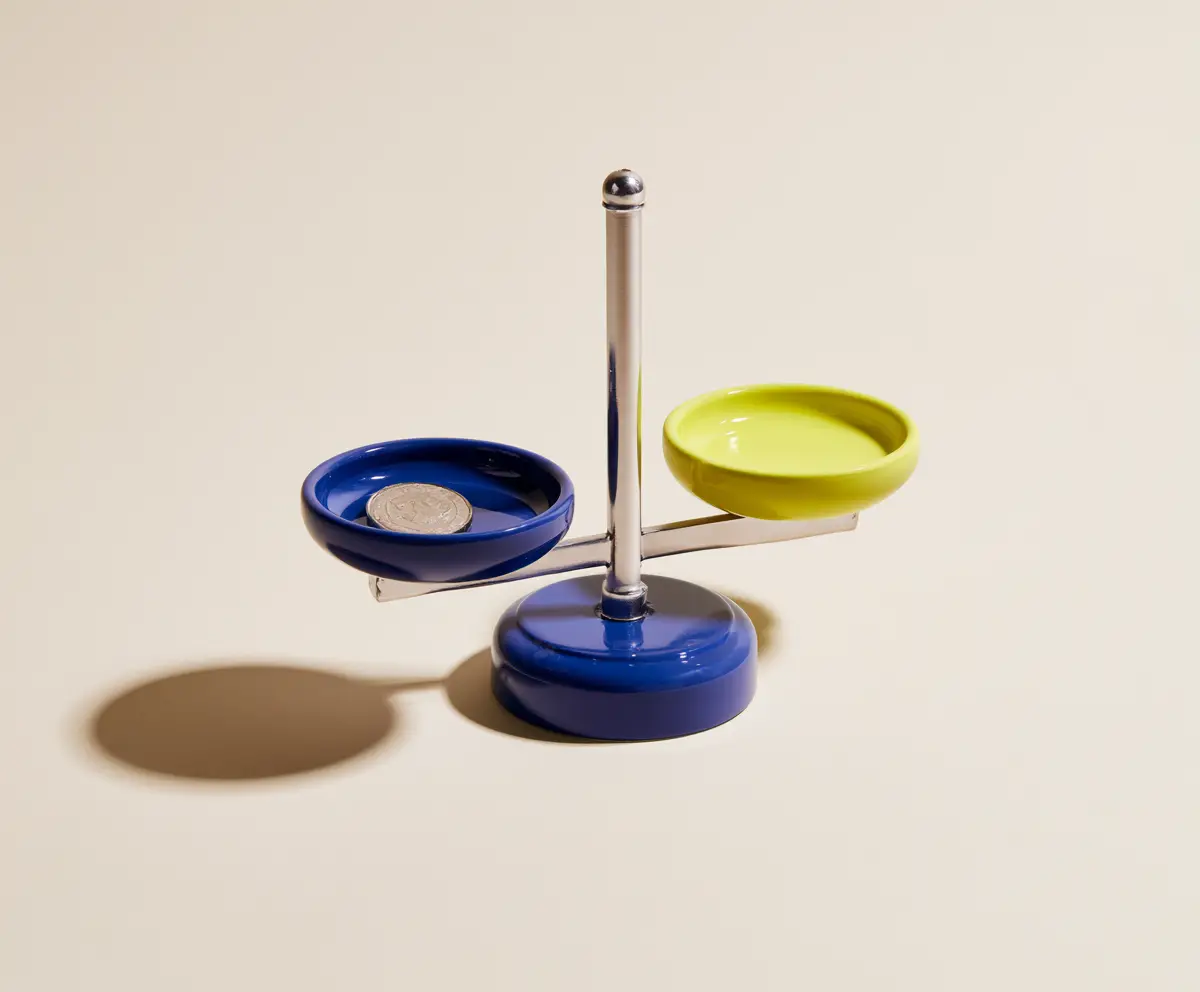
When the scale settles, both sides win. Not a zero-sum game.
Pay and real protection
- AHV from the first franc. Every month counts towards her pension.
- Accident cover (UVG). Insured for a fall or a cut while working.
- Holidays and continued pay. At least 4 weeks, plus cover when ill.
- A clean salary statement. Counts for a flat, a loan or her tax return.
Peace of mind, clear conscience
- No undeclared-work risk. No fear of back payments or fines.
- Insured if something happens. In an accident, you are not personally liable.
- Paperwork done. Registration, contract and payroll run automatically.
- A good feeling. You treat the person who helps you fairly.
30 days free, nothing charged before day 30.
Benefits are statutory minimums (as of 2026): holidays at least 4 weeks (OR 329a), AHV from the first franc, UVG accident cover, continued pay when ill (OR 324a, guideline, varies by canton). FAK is cantonal; NAV minimum wages are set nationally. This overview is for orientation and does not replace legal advice.
