Second home & holiday flat
Cleaning your Swiss holiday flat: when you become an employer, and which canton's rules apply

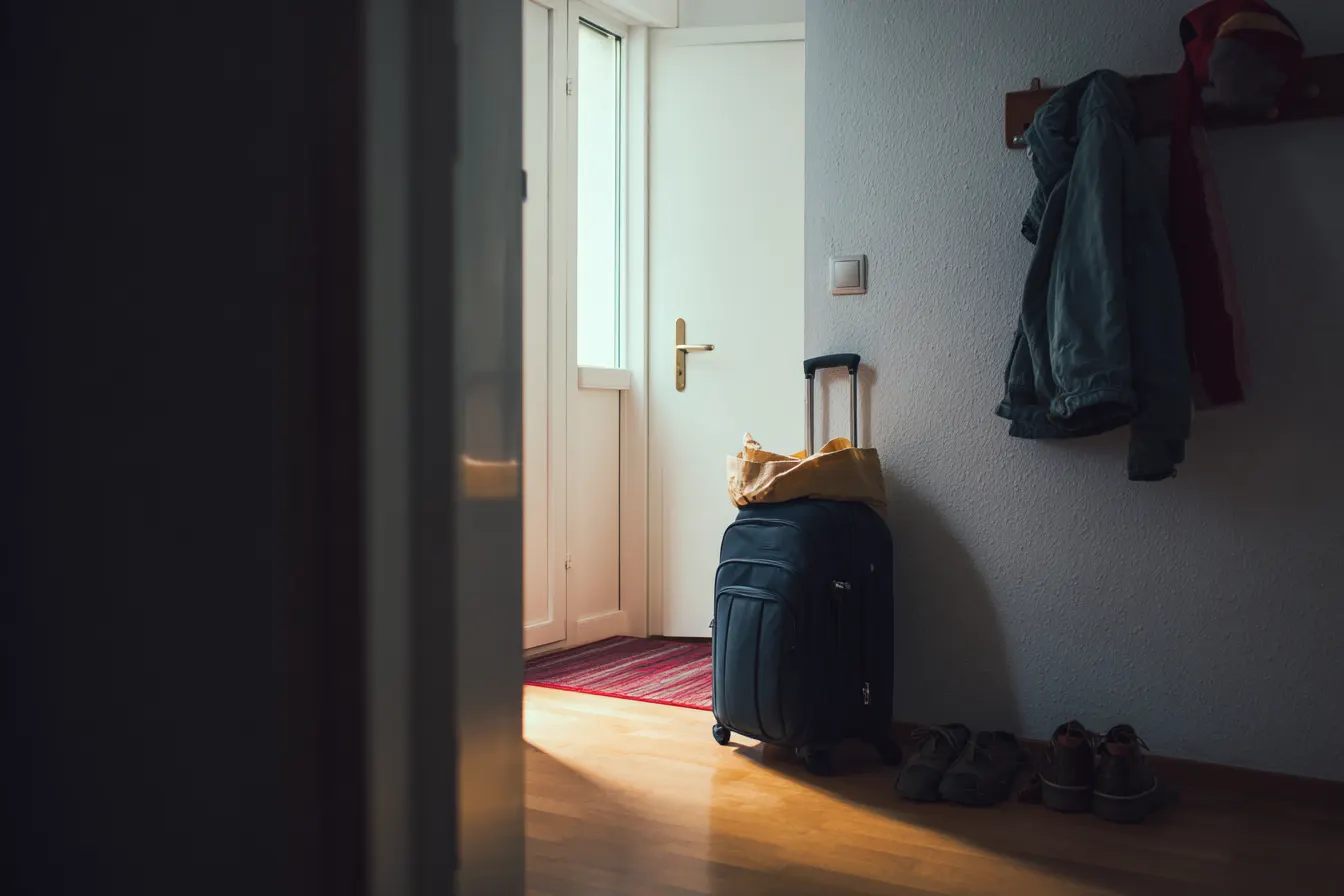
You live in Zurich, the flat is in Graubünden, and a woman from the village looks after it: cleaning, airing, key handovers, closing up in autumn. She is paid cash whenever you happen to be there. Legally, that arrangement is almost always an employment relationship, with a twist few people know: two cantons have a say.
As soon as someone regularly cleans your holiday flat or opens and closes it each season, even once a month, you are an employer: AHV contributions are due from the first franc and accident insurance (UVG) is mandatory from the first hour.
- Compensation office: your canton of residence. Wage floor and NAV: the canton where the flat is.
- A typical pattern (2h/month plus season opening and closing): around CHF 1,100 per year, employer contributions included.
- Not registered: a penalty of up to 180 daily units and back contributions, as a rule up to 5 years.
This applies when
A private individual cleans, opens or closes your second home on a recurring basis: weekly, monthly, or afresh every season.
"She just takes care of it, we pay cash": why that is employment
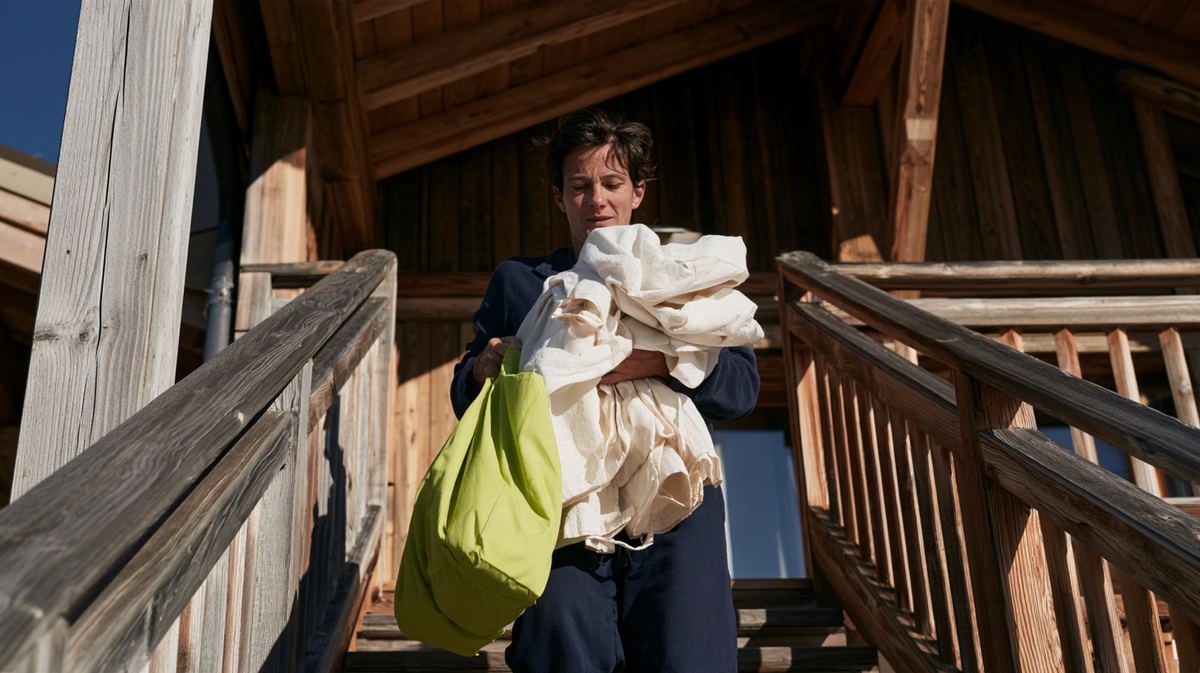
The arrangement is everyday life in the mountain cantons: a woman from the village cleans the flat after your stay, airs it in between, handles the key handover when you lend the flat to friends, opens it in spring and closes it in autumn. You have known each other for years, payment is cash or Twint, there is no receipt.
Legally, though, what counts is not how warm the relationship is but how it is organised: the work recurs, it happens in your flat, on your instructions and your calendar. Those are the same criteria as for any other domestic helper - and here they are practically always met.
Occasional help (no employment relationship)
- •One-off or very rare, with no fixed recurrence
- •No instructions, no schedule set by you
- •Example: a neighbour waters the geraniums once
Employment relationship (you = employer)
- •Recurring: monthly, weekly, or every season
- •In your flat, on your instructions, with your supplies
- •Example: cleaning after every stay plus season opening and closing
"Only seasonal" counts too
If you rent the flat out on Airbnb or Booking.com in between, the same applies to the turnover cleaning. We have run the full numbers there: Airbnb cleaning: when you become an employer. And if you want to register your cleaner directly: Register your Airbnb cleaner.
Two cantons, one flat: which governs what
This is the holiday-flat peculiarity: you live in one canton, the work happens in another. Both sets of rules apply at once - but to different things.
Compensation office: your canton of residence
The employment is registered with the compensation office of the canton where you, the employer, live, not where the cleaning happens (Art. 119 para. 2 AHVV). If you live in Zurich, you settle with SVA Zürich even though the flat is in Scuol. The FAK rate for family allowances hangs off the same office.
Wage floor and NAV: the canton of the holiday flat
The cantonal standard employment contract (NAV) for domestic work applies where the work is actually performed. It governs public holidays, probation and notice periods. For the minimum wage, Graubünden and Valais follow the federal NAV Hauswirtschaft: CHF 20.35 per hour (unskilled), binding from an average of 5 hours a week with the same employer. At the few hours of a typical holiday flat it often does not formally bite; it still works as the reference for a fair wage, and the going rate in mountain regions is more like CHF 25 to 35.
Concretely: Zurich + Graubünden
Why your home-town yardstick does not apply
Tempting but wrong: benchmarking the wage against your own place of residence. The City of Zurich decided in 2026 on a municipal minimum wage of CHF 23.90, confirmed valid by the Federal Supreme Court on 12 May 2026 and not yet in force. And even once it is, it applies only to work performed in the City of Zurich and does not travel with you to Graubünden. What counts is always the place where the work is done: in Graubünden that is the NAV Hauswirtschaft at CHF 20.35.
We took the whole mechanism apart (moving house, two workplaces, FAK rates) in its own article: Two cantons, one household: which governs what?.

A home at a distance
The flat sits still for eleven months. The person who looks after it works all year.
Whoever shovels snow off the balcony, drains the pipes and gets everything ready in June deserves the same protection as any other employee, even at two hours a month.
What it honestly costs
The good news: at holiday-flat hours, the amounts are small. Budget the gross wage plus around 8 percent employer contributions (AHV/IV/EO, ALV, occupational accident insurance, family allowances at your canton of residence's rate).
Run the numbers for your setup
Your hourly wage is above the reference floor of CHF 20.35 at the place of work.
Floor: federal NAV Hauswirtschaft or the cantonal minimum wage at the place of work. The NAV rate is binding from an average of 5 hours a week with the same employer; below that it is a reference value.
Contributions at your canton of residence's rate (its compensation office is in charge). Holiday supplement 8.33% at 4 weeks of holiday. Excluding the Clino subscription (CHF 19.90/month) and the annual UVG premium.
Worked example: 2h/month plus season opening and closing
You live in Zurich, the flat is in Graubünden. Your cleaner works around 32 hours over the year (2 hours a month plus half a day each for opening and closing) at CHF 30 per hour. That comes to around CHF 1,040 gross per year, already including around CHF 80 of holiday supplement. Add around CHF 83 of employer contributions via the Zurich compensation office. Total: around CHF 1,125 a year.
The holiday supplement is not a bonus, it is mandatory: hourly-paid employees with 4 weeks of holiday receive 8.33 percent on top of the base wage so that their holidays are paid. It must be shown separately on the payslip.
On top, if you do not want to run it yourself, comes the Clino subscription: CHF 19.90 per month, everything included.
Season checklist for the holiday flat
So the paid hours are worth it for both sides: this is what the season routine of a looked-after second home includes. Hand the list to your cleaner. It is also the cleanest basis for estimating the workload realistically.
SEASON SHEET
0 of 6 done
Holiday flat: opening, upkeep, closing
Season routine
Meter readings
Key log
Take it as a PDF or hand it to your cleaner, with your ticks and entries.
Download PDF
Enter your email address and download your document as PDF.
No spam. Unsubscribe anytime.
What you type here stays in your browser. Only the email address you leave for the PDF reaches us.
Tip for the distance
Agree on a short photo report via WhatsApp after every visit: two or three pictures plus the meter reading. It replaces the on-site check and documents the hours worked at the same time.
The risks, honestly quantified
Inspections happen in mountain cantons too. And an accident on an outside staircase does not ask whether the registration was still on your to-do list. Here is what is at stake:
Penalty up to 180 daily units
Not settling wages risks a criminal complaint by the compensation office. The law treats it as an offence: a monetary penalty of up to 180 daily units (Art. 87 AHVG), plus the administrative burden of an employer audit.
Back contributions up to 5 years
Unpaid AHV/IV/EO and ALV contributions can be claimed back for up to 5 years (Art. 16 AHVG) - employer and employee share, plus default interest. After that long, you can hardly still charge the employee share to the employee.
Accident without UVG: substitute fund and substitute premiums
If your cleaner has an accident without UVG insurance, the substitute fund (Ersatzkasse UVG) steps in and pays the statutory benefits. It then charges you substitute premiums: the missed premiums up to 5 years back, doubled at most if the omission is inexcusable (Art. 95 UVG). And an accident can never be insured retroactively. UVG cover only starts once the policy exists. So check before the first visit which insurance your cleaner must have and which is optional.
Employing at a distance: how Clino handles it
The most common holiday-flat worry is practical, not legal: you are 150 kilometres away and do not want to run paperwork across two cantons. That is exactly what Clino is built for - everything runs digitally, nobody has to travel anywhere.
- Clino asks for residence and place of work separately, prepares the registration with your canton of residence's compensation office, and takes the reference values from the canton of the holiday flat.
- Employment contract and monthly payslips arrive ready-made as PDFs. You sign and send, your cleaner gets her payslip on her phone.
- Clino also prepares the UVG paperwork. Your cleaner never needs to visit you for any of it, and you never need to travel to the flat's canton.
Holiday flat properly registered - for CHF 19.90 per month
Clino creates the employment contract and payslips and prepares the AHV registration and the UVG paperwork for your cleaner. You enjoy the flat - the paperwork is done in 20 minutes.
Register nowFree Checklist: Hire Household Help Correctly
AHV, accident insurance, contract. All on one page, by email in 30 seconds.
No spam. Unsubscribe anytime.
Frequently asked questions
We pay cash when we are there. Is that allowed?
She only works in season, maybe two months a year. Still an employment relationship?
How is this different from a caretaker company?
What about the visitor's tax and second-home taxes?
The same woman cleans for three owners in the building. Who registers?
Sources
- Art. 119 para. 2 AHVV and the guidelines on affiliation to compensation offices (margin no. 1061): the competent office is the one of the employer's canton of residence.
- Federal NAV Hauswirtschaft: minimum wages from an average of 5 hours/week, CHF 20.35 (unskilled); cantonal NAVs: GR BR 535.200, VS RS 221.602.
- Art. 88 AHVG (fines), Art. 16 AHVG (back claims 5 years), Art. 95 UVG (substitute premiums of the Ersatzkasse UVG).